Handyman Checklist: Essential Home Maintenance Tasks for Every Season
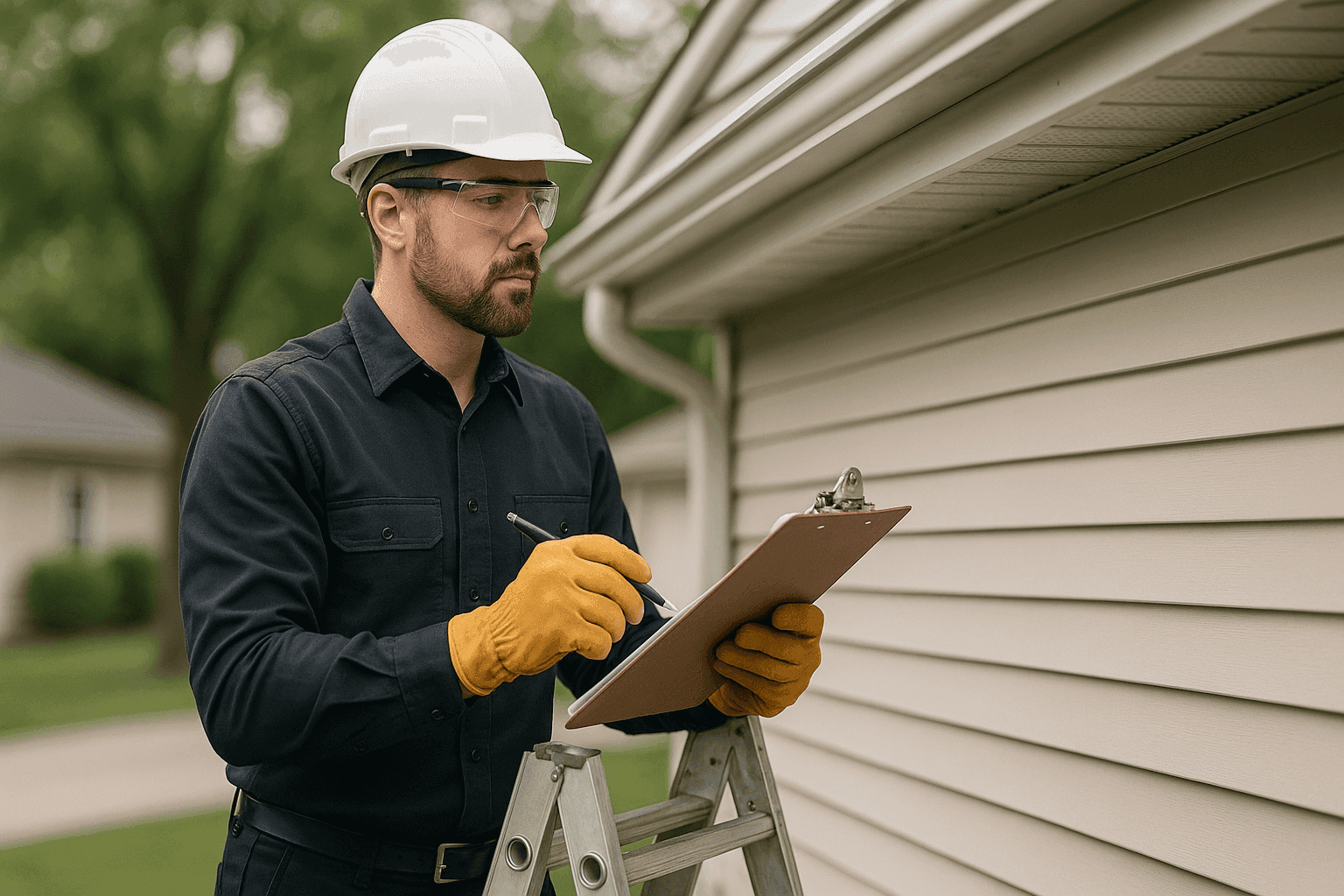
Every home tells a story. Sometimes it's a squeaky hinge, a leaky faucet, or a gutter that groans under the weight of spring rain. These little signals can quickly turn into major headaches if ignored. At Let Me Fix It, we see the same pattern across neighborhoods: a bit of routine maintenance today can save a fortune in repairs tomorrow.
Homeownership isn’t just about enjoying your space—it’s about protecting it. Regular handyman maintenance not only keeps your home looking sharp but also preserves its value and keeps your family safe.
Why Seasonal Maintenance Matters 🛠️
Think of seasons like chapters in your home’s life. Each brings its own set of challenges—blazing heat, pounding rain, icy winds. Proactive maintenance is your shield against these elements.
Here’s why it matters:
- Safety: Faulty wiring, loose railings, or leaky plumbing can all become hazards.
- Cost savings: Small fixes now help avoid big, expensive repairs later.
- Property value: Well-maintained homes hold their value and attract buyers.
- Comfort: No one wants to scramble during a winter freeze or summer heatwave.
The National Association of Home Builders and U.S. Department of Housing and Urban Development both recommend a seasonal approach—because what’s urgent in July may not matter in January.
Spring: Fresh Starts and Repairs
When the snow melts and the days stretch longer, your home’s to-do list comes out of hibernation. Spring is all about cleaning out the old, checking for winter damage, and preparing for storms.
Spring Checklist:
- Gutter cleaning: Remove debris to prevent water backing up and damaging walls or foundations.
- Pressure washing: Clean siding, decks, patios, and walkways. Mold and dirt don’t stand a chance.
- Inspect roof and siding: Look for missing shingles, loose panels, or warping.
- Check caulking and weatherstripping: Gaps around windows and doors can let in moisture and bugs.
- Test smoke and carbon monoxide detectors: Replace batteries; check expiration dates.
- Repair screens: Torn window screens invite pests inside.
- Seal cracks in driveways or walkways: Prevents weeds and further cracking.
- HVAC filter replacement: Get ready for air conditioning season.
Tip: Keep a notepad and jot down anything unusual as you walk around your home—an odd smell, a sagging step, a door that sticks. These early warnings make a big difference.
Summer: Keeping Cool and Secure
Summer brings heat, humidity, and sometimes wild storms. Your focus now shifts to staying cool, secure, and preventing water or sun damage.
Summer Checklist:
- Inspect and clean ceiling fans: Dust buildup makes them work harder.
- Test outdoor faucets and hoses: Look for leaks or weak water pressure—signs of pipe issues.
- Check decks and fences: Tighten loose boards, stain or seal wood to protect against sun and rain.
- Repair or install window blinds and curtains: Keep indoor temps down and energy bills in check.
- Inspect sprinkler systems: Broken heads or leaks can waste gallons of water.
- Gutter check (again): Summer storms drop leaves and debris too.
- Paint touch-ups: Prevents wood rot and keeps your home looking sharp.
- Door and window repairs: Ensure locks work and that frames aren’t warped by heat.
Tip: Organize your garage or shed before it’s too hot. Add shelving or hooks to keep tools and bikes off the floor. A little handyman magic can double your usable space.
Fall: Batten Down for Cold Weather
As leaves turn and daylight fades, fall is the time to prepare your home for cold, wind, and ice. You’re setting the stage for a comfortable, worry-free winter.
Fall Checklist:
- Clean and inspect gutters: Remove leaves, check downspouts for clogs. Water must flow away from your foundation.
- Weatherstripping and caulking: Seal up drafts around doors and windows for better heating efficiency.
- Furnace and heating system check: Replace filters, inspect for leaks or odd noises.
- Check attic insulation: Prevents heat loss and ice dams.
- Test sump pump: Heavy autumn rains can cause basement flooding.
- Inspect and repair walkways: Cracked concrete can be a tripping hazard, and ice will make it worse.
- Install storm windows or door sweeps: Extra protection against wind and cold.
- Smoke detector and carbon monoxide check: Fires spike in winter—make sure you’re protected.
Tip: Schedule major repairs early in the season. Handyman schedules fill up fast as the cold sets in.
Winter: Stay Warm and Safe
Winter’s story is all about protection. The cold tests everything—pipes, seals, and even your patience. A little prevention here goes a long way.
Winter Checklist:
- Insulate pipes: Prevent freezing and bursts, especially in unheated spaces.
- Check for ice dams: Icicles along your roof can signal trouble.
- Test sump pump and basement dehumidifiers: Flooding can still happen, even in cold months.
- Door and window inspections: Look for drafts, condensation, or frost.
- Fireplace and chimney check: Clean and inspect before lighting your first fire.
- Check handrails and steps: Ice makes everything slippery—secure loose railings.
- Garage organization: Keep snow shovels and salt accessible.
- Emergency kit check: Flashlights, batteries, and first-aid supplies should be handy.
Tip: Even in milder climates, winter can bring heavy rains or cold snaps. Adjust your checklist based on your local weather.
Signs You Need Professional Help
Some jobs are great for handy homeowners. Others are better left to a trained handyman. Here’s when to hang up your toolbelt:
- Electrical work: If you’re not sure about wiring, don’t touch it. The National Fire Protection Association (NFPA) stresses the dangers of untrained electrical repairs.
- Water leaks in walls or ceilings: These can hide bigger problems like mold or rot.
- Major drywall damage: Small holes are easy; large repairs need skill and tools.
- Persistent plumbing issues: Drips that don’t quit, low water pressure, or sewage smells.
- Structural concerns: Sagging floors, cracked foundation, or bowing walls require a professional assessment.
- Roof repairs: Working at height is risky without the right safety gear.
Red Flags:
- You smell gas at any appliance.
- Outlets or switches are warm, sparking, or not working.
- Doors or windows won’t close after a storm.
- You feel uncomfortable or unsafe attempting a repair.
How to Organize Recurring Tasks
Consistency is key. Here’s how to keep your home maintenance routine on track:
- Create a digital calendar or checklist: Set reminders for quarterly or seasonal tasks.
- Bundle tasks: Group outdoor jobs in spring and fall when weather is mild.
- Keep a home maintenance journal: Note the date and outcome of each repair.
- Use labels or bins: Organize supplies by task—painting, plumbing, electrical.
The International Association of Certified Home Inspectors recommends breaking tasks into monthly, seasonal, and annual routines for best results.
Quick Safety Checklist
Before you start any task, ask yourself:
- Do I have the right tools and safety gear?
- Is the power or water shut off if needed?
- Am I working on a stable surface?
- Can someone help or supervise if I’m using a ladder?
- Do I know what to do in case of an emergency?
Safety isn’t just a box to check. It’s the foundation for every repair.
When to DIY and When to Call a Handyman
DIY:
- Simple tasks like changing air filters, tightening screws, or patching small holes.
- Painting a single wall.
- Replacing batteries in detectors.
- Hanging pictures or shelves (with wall anchors).
Call a Handyman:
- Anything involving electricity or plumbing behind walls.
- Large drywall repairs.
- Fixture or appliance installation (dishwashers, ceiling fans, etc.).
- Gutter repairs or cleaning above first-floor height.
- Flooring repairs or tile installation.
- Caulking high or hard-to-reach windows.
If you’re unsure, there’s no harm in asking. General Repairs near you are just a phone call away.
What a Handyman Does On Arrival
When a Let Me Fix It handyman arrives, here’s what you can expect:
- Assessment: We listen to your concerns, inspect the area, and spot related issues.
- Safety check: All work is done to current building and electrical codes.
- Transparent plan: We outline the steps, time involved, and potential problems.
- Quality repair: Using the right materials and techniques—no shortcuts.
- Cleanup: We leave your space as tidy as we found it.
Our team follows Occupational Safety and Health Administration (OSHA) guidelines for all repairs.
Prevention & Maintenance: The Long Game
It’s tempting to wait until something breaks. But prevention is like oiling a squeaky hinge—it keeps the whole house running smoother.
Proactive steps:
- Schedule an annual home inspection.
- Keep gutters and downspouts clear.
- Check caulking and weatherstripping every season.
- Replace air and water filters regularly.
- Walk your property after major weather events.
The American Society of Home Inspectors recommends a top-to-bottom check each season to catch small issues before they become big repairs.
Costs & Time Factors
Every job is different, but here’s what to keep in mind:
- Time: Replacing an air filter takes five minutes. Gutter cleaning? An hour or more, depending on your home’s size.
- Materials: Some fixes need only a screwdriver or a new filter. Others require specialty tools and parts.
- Skill: The more complex the job, the more it pays to hire a pro.
- Savings: Regular maintenance often costs far less than emergency repairs.
Remember, ignoring small repairs is like ignoring a warning light in your car. It can end up costing much more in the long run.
When It’s an Emergency
Some repairs can’t wait. Call for help if:
- Water is leaking into your home.
- There’s a power outage or sparks from outlets.
- You smell gas or hear hissing near appliances.
- You see large cracks in foundation or ceilings.
- The heating system fails during extreme cold.
In these cases, don’t wait or try to fix things yourself. Safety comes first.
Frequently Asked Questions
How often should I clean my gutters?
Twice a year—spring and fall. More often if you have lots of trees nearby.
Do I really need to replace weatherstripping every year?
Check it each season. Replace when you see cracks, gaps, or it feels brittle.
Can a handyman install a dishwasher or washing machine?
Absolutely. Appliance installation is a core handyman service.
What’s the most overlooked maintenance task?
Caulking and sealing around tubs, sinks, and windows. Water finds the tiniest cracks.
Local and Seasonal Considerations 🏡
No two homes—or climates—are exactly alike. If you live in a snowy region, focus on insulation and ice dam prevention. Coastal homes should prioritize moisture control, caulking, and storm prep. In hot, dry climates, paint and sun protection are key.
Check your local building codes for specific requirements on smoke detectors, handrails, and electrical work. The International Code Council and your city’s building department are great resources for up-to-date guidelines.
Ready to tackle your to-do list—or need help with those tricky repairs?
Call Let Me Fix It now — or reach us anytime at 877-748-7316 .