Emergency Home Repairs: What to Do Before the Handyman Arrives
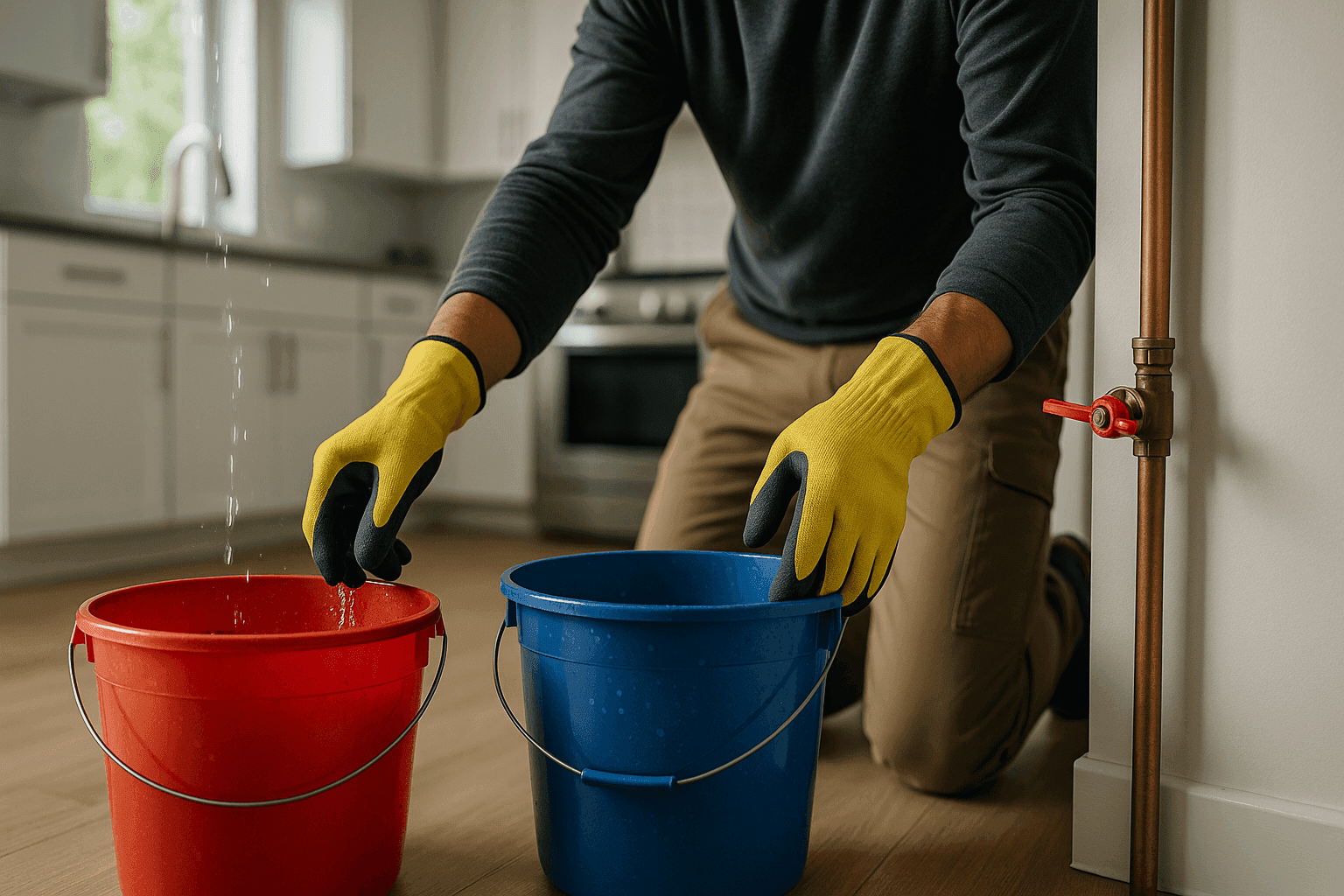
Emergencies don’t knock. They barge in—flooding your kitchen, knocking out your power, or turning a quiet evening into a scramble for buckets, towels, and answers. When disaster strikes at home, panic is natural. But having a clear plan can turn chaos into calm.
At Let Me Fix It, we know what it feels like to face the unexpected. Our team has helped countless homeowners weather sudden leaks, outages, and breakages. Here’s how to take charge while you wait for a skilled handyman to arrive.
Identifying the Emergency
The first step is to know what you’re dealing with. Not every issue is an emergency, but some demand immediate action.
Plumbing Leaks
Water on the floor? Ceiling dripping like a leaky tap? Burst pipes, overflowing toilets, or a broken washing machine hose can quickly cause costly damage.
- Listen for running water behind walls.
- Look for sagging ceilings, bubbling paint, or puddles.
- Smell for musty, damp odors.
Electrical Outages ⚡
A sudden blackout or sparking outlet is more than an inconvenience—it could be dangerous.
- Are certain rooms out, or the whole house?
- Do you hear buzzing or smell burning?
- Are there visible sparks, smoke, or scorch marks?
Storm or Impact Damage
Wind howling. Tree limbs crashing. Hail pounding the roof. These moments can leave your home exposed.
- Check for broken windows, torn shingles, or damaged siding.
- Look for water coming in around doors, windows, or ceilings.
- Assess exterior walls and outdoor structures for new cracks or gaps.
Immediate Steps to Take
When things go wrong, every second counts. Here’s how to keep your cool and protect your space.
- Shut off water supply if you find a leak (main valve is usually in the basement, crawl space, or near the street).
- Turn off electricity at the breaker box if you suspect electrical risk—never touch wet outlets or cords.
- Contain leaks with towels, buckets, or pans under drips.
- Move valuables and electronics out of harm’s way.
- Secure doors and windows if they won’t close—use towels, tarps, or boards for temporary coverage.
Safety First: Protecting Your Family and Property
Your safety comes before any damage control.
- Never wade through standing water if electrical hazards are present.
- Avoid using appliances or touching outlets after a flood or outage.
- Keep pets and children out of affected areas.
- If you smell gas, leave immediately and call emergency services from a safe location.
The National Fire Protection Association (NFPA) and Federal Emergency Management Agency (FEMA) recommend having an emergency kit with flashlights, batteries, and a contact list handy. Preparation pays off.
When to Call for Help
Some fixes are best left to professionals. Don’t risk your safety or make matters worse.
Call a handyman for:
- Major leaks or burst pipes you can’t isolate.
- Electrical issues beyond resetting a breaker.
- Structural damage—broken windows, doors off hinges, fallen gutters.
- Anything that feels out of your depth.
Look for “General Repairs near you” to ensure someone arrives quickly with the right tools.
Preparing for the Handyman’s Arrival
You’ve called for help. Now, make things easier for them—and safer for you.
Clearing Access
- Move furniture, rugs, and clutter away from the affected area.
- Create a clear path from the door to the problem spot.
- Secure pets in another room.
Documenting Damage
- Take photos or videos of leaks, cracks, or breakages. This helps with insurance claims.
- Jot down when the problem started and any steps you’ve taken.
- Save broken parts or debris for the handyman to assess.
Quick Fixes That Won’t Make Things Worse
Sometimes, a small step can prevent a big problem from growing.
- Use plumber’s tape or a towel to wrap a leaky pipe until help arrives.
- Place a bucket under drips to catch water and prevent floor damage.
- Unplug devices near water or sparks, but don’t touch wet cords.
- Gently push a stuck door closed and wedge it with a chair or towel if it won’t latch.
- Never use adhesives or DIY materials that could complicate professional repairs later.
When It’s an Emergency
If you spot any of these signs, treat the situation as urgent:
- Water pouring from ceilings or walls.
- Smoke, sparks, or burning smells from outlets.
- Broken windows or doors leaving your home exposed.
- Gas leaks (rotten egg smell).
Call emergency services first, then reach out to a handyman.
FAQ: Common Questions About Emergency Repairs
Q: Should I try to fix a burst pipe myself?
A: Shut off the water and contain the leak, but avoid cutting pipes or using hardware store fixes—these can make things harder to repair later.
Q: What if the power goes out for just one room?
A: Try resetting the breaker. If that doesn’t work, or if you see sparks or smell burning, call a professional.
Q: Can I tape up a broken window?
A: Cover it with cardboard or plastic for the short term, but leave full repairs to a handyman.
Q: How quickly should I call for help?
A: If there’s ongoing damage, unsafe conditions, or you feel unsure, call right away. Waiting can increase damage and risk.
Local and Seasonal Considerations 🏡
Every region has its quirks. In colder climates, frozen pipes are common. In storm-prone areas, wind and water damage are big risks. Summer heat can strain electrical systems, while autumn brings clogged gutters and roof leaks.
- Prepare for local threats. Clean gutters in fall. Insulate pipes before winter.
- Know your main shut-off valves and breaker locations.
- Keep Let Me Fix It’s number handy for fast help.
Stay Calm, Stay Safe—Let Us Handle the Rest
Home emergencies test anyone’s nerves. But by staying calm, following safety steps, and knowing when to call for help, you can protect your family and your home. Let Me Fix It is here for urgent repairs, big and small—so you can get back to normal, fast.
Call Let Me Fix It now — or reach us anytime at 877-748-7316 .